
The Allure of Casinos and Their Psychological Impact
Casinos are designed to captivate and engage their patrons through a carefully orchestrated environment. The combination of bright lights, vibrant colors, and the sounds of coins clinking fosters an atmosphere of excitement and anticipation. This sensory experience leads to a psychological response that can trigger dopamine release in the brain, often referred to as the « feel-good » neurotransmitter. In addition, many casino enthusiasts rely on resources like top bitcoin casino sites to enhance their gaming experience while understanding gambling’s psychological effects.

The psychological impact of casinos extends beyond mere sensory stimulation. Many patrons view gambling as a form of escapism, allowing them to momentarily forget personal troubles and immerse themselves in a world of chance and potential rewards. This can be profoundly appealing, especially in high-stress environments, making the casino experience not only entertaining but also psychologically soothing for some individuals.
The Role of Cognitive Biases in Gambling
Cognitive biases play a significant role in how individuals perceive gambling outcomes. One common bias is the illusion of control, where players believe they can influence the results of games that are purely based on luck. This false sense of control can lead to persistent gambling behavior, as individuals may feel compelled to play again, convinced that they will eventually beat the odds.
Another prevalent cognitive bias is the gambler’s fallacy, where individuals assume that past outcomes can influence future results in random games. For example, if a roulette wheel has landed on red several times in a row, players may wrongly conclude that a black outcome is due. This misinterpretation of probability can propel players to place further bets, driven by hope rather than mathematical reality.
The Social Dynamics of Gambling
Gambling is inherently a social activity for many, where the communal aspects can significantly influence behavior. The presence of other players, the interactions with dealers, and the overall casino ambiance create a sense of camaraderie and shared experience. This social dimension can enhance the thrill of gambling, as players feed off each other’s excitement and enthusiasm.
Furthermore, casinos often exploit this social dynamic by hosting events, tournaments, and promotions that encourage group play. Such strategies foster a sense of belonging among patrons, reinforcing the desire to return to the casino environment. This social engagement can make it challenging for individuals to recognize when their gambling behavior has become problematic, as they are often surrounded by others who share similar interests.
The Thin Line Between Gambling and Addiction
While many individuals gamble for entertainment, the transition to problematic gambling can occur more easily than one might expect. The psychological mechanisms that make gambling appealing can also lead to addiction, where individuals continue to gamble despite negative consequences. The high of a win can lead to reinforced behavior, making it difficult for players to step away.
Understanding the signs of gambling addiction is crucial for individuals and their loved ones. This includes recognizing compulsive behaviors, the need to constantly increase bets to achieve the same level of excitement, and neglecting responsibilities for the sake of gambling. Awareness of these psychological traps can help individuals seek help before gambling leads to severe financial and emotional consequences.
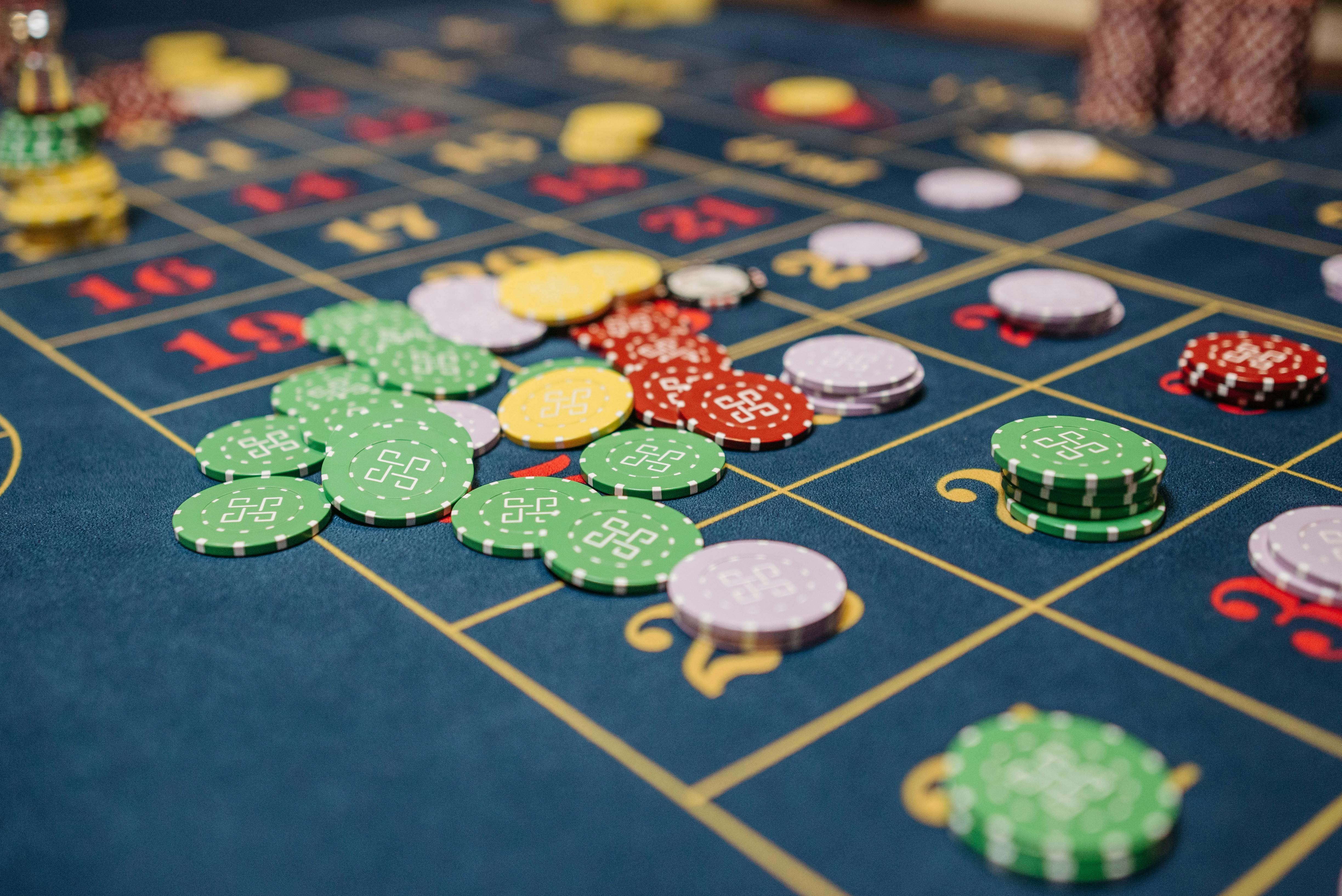
Understanding Casino Gambling Through Research and Resources
This website serves as a valuable resource for those looking to delve deeper into the psychology of gambling behavior in casinos. It provides insights and research findings that highlight the complexities of gambling, including discussions on addiction, cognitive biases, and social influences. By offering accessible information, users can better understand the psychological factors that drive gambling behavior and learn how to navigate potential pitfalls.
While access to some parts of the site may be restricted, the remaining sections contain essential tools and resources to assist both casual gamblers and those seeking help. This platform aims to educate users, promoting a healthier approach to gambling and ensuring a more informed gambling experience overall.